


Have you ever come across a word that seems to encapsulate a whole world of flavors and feelings? Welcome to the vibrant realm of “piçada.” This term, deeply rooted in Portuguese-speaking cultures, offers more than just a culinary delight. It carries layers of meaning—from playful banter to heartfelt expressions. Whether you’re savoring its taste or unraveling its cultural significance, it is an intriguing topic filled with surprises. Join us on this flavorful journey as we explore what makes piçada not just a dish but also an essential part of everyday life in Portugal and Brazil!
Piçada Explained in Simple Words: Meaning, Use, and Real Life Examples
It is a versatile term that can refer to various concepts in everyday language. It often describes a strong scolding or a light-hearted joke among friends. Imagine teasing your buddy about their cooking skills; that’s it at play, blending humor with affection.
In another context, piçada can indicate traces or marks left behind—think of footprints on a trail. It’s also used to describe small paths in nature. This adaptability makes it an engaging word that reflects the nuances of communication and experience in Portuguese-speaking cultures.
Also Read:https://prolific-writers.com/cataz/
What Does Piçada Mean?
Piçada is a Portuguese term with multiple meanings. At its core, it refers to the act of scolding someone strongly. This usage captures the essence of expressing disapproval or reprimanding someone for their actions.
However, it extends beyond just harsh words. It can also describe a light-hearted joke or friendly comment among friends, showcasing its versatility in casual conversation. The word carries cultural weight and reflects how language evolves within different contexts and social interactions.
Piçada as a Strong Scolding
It can take on a sharper meaning when used in the context of scolding. In Portuguese, it conveys a strong reprimand or criticism. When someone says they received it, it’s not just about being told off; it’s an expression of deep disappointment.
This usage often carries emotional weight. It signifies that the person has crossed a line or failed to meet expectations. The intensity behind this term makes it more than just casual banter—it’s serious and impactful in interpersonal communication, especially among friends or family members who expect better behavior from one another.
Piçada as a Light Joke or Friendly Comment
It can also add a playful twist to conversations. It often arises among friends, serving as a light-hearted jab or gentle tease. Imagine a friend showing up late and another saying, “Look who finally decided to show up!” Such moments bring laughter and warmth.
This use of it is about camaraderie. It’s not meant to offend but rather to strengthen bonds through humor. The shared chuckle over it creates memories that linger long after the joke is made, reinforcing relationships with its friendly nature.
Piçada as a Trace, Mark, or Footstep
It can refer to a trace, mark, or even a footprint left behind. This meaning captures the essence of leaving an impression, whether it’s physical or metaphorical. In nature, it might signify the path taken by animals or humans through various terrains.
In everyday life, we often leave piçadas in our interactions and experiences. Every conversation and connection creates its own unique mark on our relationships. These traces remind us of where we’ve been and who we’ve encountered along the way. They become part of our personal stories that shape who we are today.
Piçada as a Small Path or Trail
It can also refer to a small path or trail, often winding through nature. Imagine a narrow dirt track that leads you deeper into the woods or along the coastline. These paths invite exploration and adventure, connecting people with their surroundings.
In rural areas, piçadas are essential for navigating landscapes. They serve as shortcuts between destinations or simply as quiet spots for reflection amidst nature’s beauty. Whether it’s a rustic country lane or an unmarked route through thick foliage, each it holds its unique charm and story waiting to be discovered.
Piçada in Daily Life (Simple Examples)
It often pops up in everyday conversations, reflecting its versatile nature. For instance, when someone playfully teases a friend about their cooking skills, they might say it with a light-hearted it. This shows camaraderie and keeps the mood lively.
In another scenario, imagine walking down an old trail and spotting traces of past hikers. Those footprints are referred to as piçadas, symbolizing shared journeys. These examples demonstrate how it intertwines humor and connection in daily life while highlighting its cultural roots.
Piçada in Portugal vs Brazil
Piçada carries distinct meanings in Portugal and Brazil, reflecting the cultural nuances of each country. In Portugal, it may evoke a sense of teasing or light-hearted banter among friends. The word often encapsulates playful exchanges that add warmth to conversations.
Conversely, in Brazil, it leans more towards stronger admonishments or scoldings. It can signify a sharp comment made with affectionate intent, showcasing the vibrant dynamics within Brazilian friendships. This divergence highlights how language evolves contextually while retaining its roots across cultures.
Piçada in Modern Life and Social Media
In today’s digital landscape, the term “piçada” has found its way into memes and social media posts, often used humorously. Influencers and everyday users alike sprinkle it into their content to add a touch of local flavor or cultural nuance. Whether in jest or as a friendly jab, it captures attention and invites engagement.
Beyond humor, piçada serves as a reminder of cultural roots. It connects people through shared language experiences while showcasing the richness of Portuguese words in casual conversations online. This unique term continues to evolve within modern communication platforms.
Piçada vs Picada (Important Difference)
While piçada and picada may seem similar, their meanings differ significantly. Piçada refers to a playful scolding or a trace left behind, often used in everyday conversation. It carries cultural nuances that make it unique in Portuguese-speaking countries.
On the other hand, picada is commonly associated with bites or stings, like those from insects. It can also refer to small cuts or punctures. The distinction between these two words highlights the richness of the Portuguese language and its ability to convey various ideas through seemingly similar terms.
Is Piçada a Drink? (Simple Answer)
It is not a drink. Many people might confuse it with beverages due to its pronunciation, but that’s not the case. The term piçada primarily relates to cultural expressions and specific meanings rooted in Portuguese-speaking countries.
Instead of quenching your thirst, it encompasses various uses like scolding or describing small paths. If you’re looking for something refreshing, you’ll need to seek out a different word entirely. Understanding piçada’s true essence will enhance your appreciation of its significance in daily conversations.
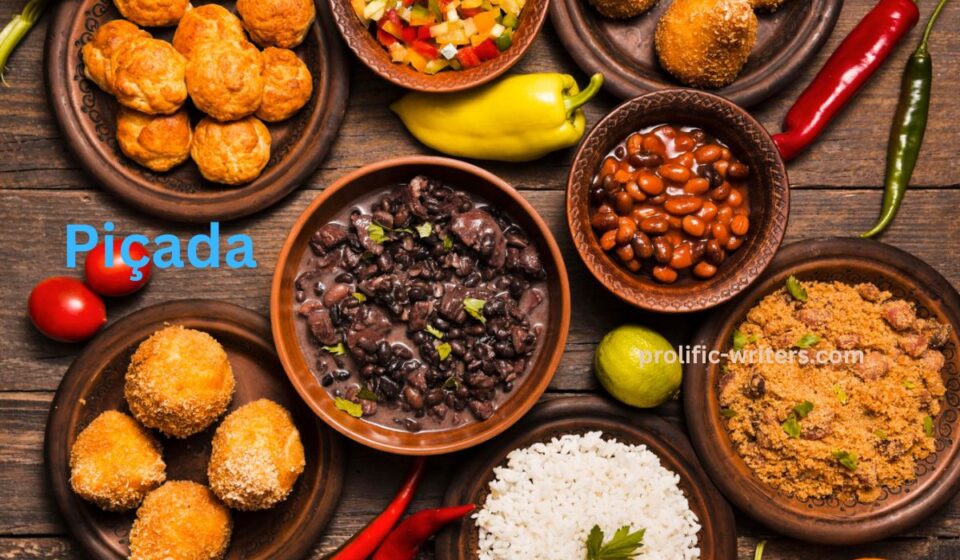
Is Piçada a Food or Dish?
It is often mistaken for a specific food or dish, but it doesn’t refer to any singular culinary creation. Instead, it encompasses various traditional recipes found in Portuguese and Brazilian cuisine. These dishes can take different forms depending on regional flavors and ingredients.
In many cases, it is hearty meals that showcase local produce and cooking methods. They may feature meats, vegetables, or even unique sauces that elevate the dining experience. So while it’s not just one dish, it definitely embodies a rich cultural heritage through its diverse offerings in kitchens across Portugal and Brazil.
Where Does Piçada Come From? (Origin)
It has roots deeply embedded in Portuguese culture and language. The term is believed to derive from the Latin word “picta,” meaning painted or marked, which aligns with its various meanings today. This historical context adds layers to its significance.
In Brazil, it evolved uniquely as it blended with local dialects and customs. The word adapted over time, taking on nuances that reflect Brazilian humor and social interactions. Its journey illustrates how language evolves while retaining connections to its origins in Portugal, creating a rich cultural tapestry across both nations.
Why Piçada Is an Important Word to Learn
Learning the word it enriches your understanding of Portuguese culture. It encapsulates various meanings, which can be handy in everyday conversations. Whether used humorously or seriously, it reveals the nuances of communication among native speakers.
Additionally, mastering words like it helps bridge cultural gaps. It opens doors to deeper connections with locals in Portugal and Brazil. This understanding fosters appreciation for regional dialects and expressions that shape social interactions, making your travels more rewarding and memorable.
Final Thoughts
Understanding the nuances of it enriches our appreciation for both language and culture. Its diverse meanings—from a playful jab to a serious reprimand—illustrate the vibrancy of Portuguese-speaking communities.
As this term evolves in modern contexts, especially within social media, it reflects contemporary attitudes and interactions. Whether you’re savoring its cultural significance or just enjoying a friendly exchange, it invites us to explore deeper connections through words and flavors alike. The journey into its meanings can be as delightful as tasting traditional dishes that carry these names.
(FAQs)
What is piçada?
It refers to a term with multiple meanings that range from scolding to describing a small path. It’s rich in cultural significance, especially in Portuguese-speaking countries.
Is piçada related to food or drink?
While many might think of it as a dish, it primarily refers to various concepts and isn’t recognized as either food or drink.
How does the meaning of piçada differ between Portugal and Brazil?
In Portugal, it can carry more serious connotations compared to its lighter usage in Brazilian culture. Context really shapes its interpretation.
Can you give examples of how piçada is used daily?
Sure! People might say someone got a “piçada” for making a mistake at work, or jokingly tell friends they left their mark on an event through light-hearted comments.
What’s the difference between piçada and picada?
While both words share similar roots, picada usually means bite or sting. Piçada has broader interpretations tied more closely to social interactions.
Why should I learn about the word piçada?
Understanding this versatile term enhances your grasp of Portuguese language nuances and deepens appreciation for cultural contexts within conversations.